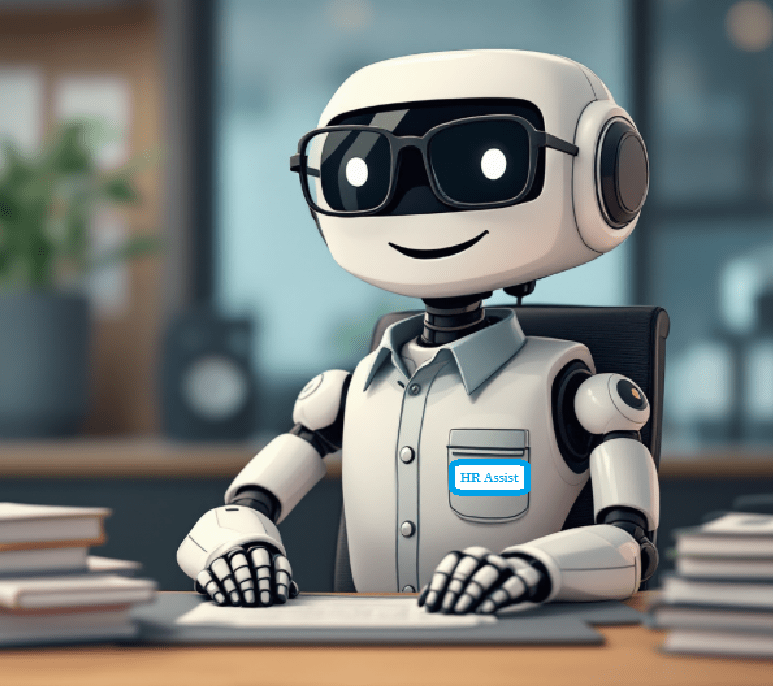
Artificial Intelligence (AI) is no longer a futuristic concept; it has become an integral part of how modern businesses operate, especially in the realm of recruitment and human resources (HR). In fact, interest in AI for recruitment has skyrocketed, with searches for “AI recruitment” increasing by an impressive 488% in the last five years.
This demonstrates that businesses are eager to embrace AI-driven solutions to enhance their HR processes.
Let’s explore how AI is revolutionizing recruitment and HR, providing businesses with tools to streamline workflows, improve decision-making, and create a more inclusive workplace.
The Role of AI in Recruitment
Like many other business lines, AI is reshaping HR and recruitment by automating and improving various aspects of the hiring process. Where there is still an undeniable need for the human aspect in HUMAN Resources, you have to admit that you often see a “less human focused approach” when people get too busy. Utilizing tools that can assist with the aspects of the field that rely more on processing/processes, can allow HR to have more bandwidth to appropriately focus on that human centered approach.
- Streamlining Hiring Processes
Traditional hiring processes can be time-consuming and resource-intensive. AI tools can automate repetitive tasks, such as screening resumes, scheduling interviews, and processing applications. This allows HR teams to focus on more strategic activities.- Example: AI-powered Applicant Tracking Systems (ATS) can sift through thousands of resumes in seconds, identifying candidates whose skills and experience match the job description.
- Improving Candidate Matching
AI algorithms analyze candidate profiles and job requirements to identify the best matches. By considering factors such as experience, skills, and even cultural fit, businesses can ensure they hire the most suitable candidates.- Example: Tools like LinkedIn Recruiter use AI to suggest potential candidates to recruiters, making the search for talent faster and more efficient.
- Reducing Bias in Recruitment
Unconscious human biases can sometimes lead to unfair hiring decisions. AI can help mitigate this by focusing solely on a candidate’s qualifications and experience, rather than subjective factors.- Example: Platforms like Pymetrics use AI-driven games to evaluate candidates’ cognitive and emotional traits, ensuring more equitable hiring decisions.
AI Beyond Recruitment: Enhancing Onboarding and Training
AI doesn’t stop at recruitment—it also plays a pivotal role in enhancing employee onboarding and training:
- Personalized Onboarding Experiences
AI-driven onboarding tools create tailored experiences for new hires by providing them with role-specific information and training. Chatbots can answer FAQs, guide employees through internal systems, and ensure a smooth transition into the workplace. - Smarter Training Programs
AI-powered learning platforms analyze employee performance and recommend targeted training resources. This ensures employees are continually developing their skills in line with business needs.- Example: Platforms like Coursera and Degreed use AI to suggest learning paths based on an employee’s role, interests, and skill gaps.
The Benefits of Implementing AI in HR
Adopting AI in recruitment and HR offers numerous benefits for businesses:
- Efficiency: Automating repetitive tasks saves time and reduces administrative burdens on HR teams.
- Enhanced Decision-Making: Data-driven insights enable more informed hiring and training decisions.
- Improved Employee Experience: AI tools help create personalized experiences for employees, fostering engagement and retention.
- Cost Savings: Streamlined processes and reduced time-to-hire lead to significant cost savings for businesses.
Challenges and Considerations
While the benefits of AI in HR are clear, businesses should also be mindful of potential challenges:
- Data Privacy: Handling candidate and employee data requires strict adherence to privacy regulations, such as GDPR.
- Algorithmic Bias: Although AI can reduce human bias, poorly designed algorithms may inadvertently introduce their own biases.
- Employee Resistance: Some employees may fear that AI will replace their roles. Transparent communication is key to addressing these concerns.
AI is transforming how businesses approach recruitment and HR, making processes faster, smarter, and more inclusive. By leveraging AI to streamline hiring, improve candidate matching, and enhance onboarding and training, businesses can unlock new levels of efficiency and innovation. However, it’s crucial to implement AI responsibly, ensuring transparency, fairness, and compliance with data privacy standards. As AI continues to evolve, the businesses that embrace its potential will be better positioned to attract top talent, foster employee growth, and remain competitive in a rapidly changing marketplace.
References and Resources
Here are some insightful articles and resources to help you dive deeper into the use of AI in recruitment and HR:
- “How AI Is Transforming The Small Business Workplace”
Forbes - “The Role of AI in Recruitment: Revolutionizing Hiring Processes”
SHRM - “Leveraging AI to Reduce Bias in Hiring”
Harvard Business Review - “AI in HR: Enhancing Employee Onboarding and Training”
McKinsey & Company - “AI-Powered Tools for Recruitment and Talent Management”
LinkedIn Talent Blog
 AI Catalyst
Leave a comment