In today’s fast-paced digital landscape, providing exceptional customer service isn’t just a luxury—it’s a necessity. For small businesses, the evolution of AI-powered chatbots over the past decade has revolutionized how they interact with customers, manage resources, and scale operations. Let’s dive into this transformation and understand why it matters for your business.
The Journey: From Simple Scripts to Intelligent Conversations
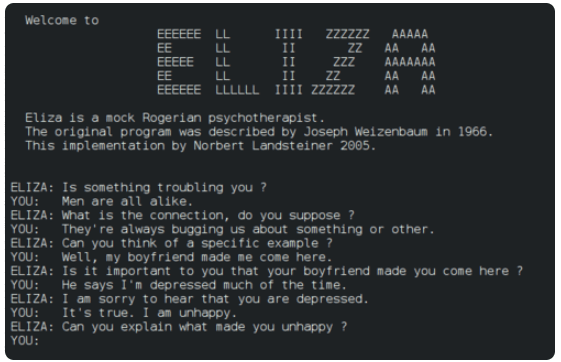
Remember when chatbots were nothing more than glorified FAQ pages? Those days are long gone. The progression of AI chatbots tells a fascinating story of technological evolution. The concept of chatbots dates back to the 60’s with Eliza, one of the first attempts to simulate back and forth conversations with a computer. This work laid the foundation for the chatbots we know today.
2013-2015: The Foundation Years
- Basic rule-based systems emerged
- Limited to simple question-answer patterns
- Primarily used by large enterprises due to high implementation costs
2016-2020: The Growth Phase
- Introduction of natural language processing (NLP)
- Enhanced understanding of context and user intent
- More accessible to small businesses through cloud-based solutions
2021-Present: The Intelligence Era
- Advanced AI models like GPT and BERT
- Human-like conversations and emotional intelligence
- Affordable, scalable solutions for businesses of all sizes
Why This Matters for Your Small Business
With this fast-paced business environment, small businesses face a crucial challenge: providing excellent customer service while managing limited resources. This is where AI chatbots become a game-changer. The numbers tell a compelling story. Small businesses implementing chatbots see an average 30% reduction in customer service costs, while experiencing a 35% increase in customer satisfaction. Why? Because chatbots handle routine inquiries 24/7, allowing your team to focus on more complex, high-value interactions.Consider this: while your competitors are missing after-hours inquiries, your chatbot is:
- Answering common questions instantly
- Scheduling appointments around the clock
- Qualifying leads while you sleep
- Collecting valuable customer data
- Providing consistent service quality
The ROI becomes clear quickly – businesses typically see returns within 6-12 months, with some reporting ROI as high as 400%. This isn’t just about cost savings; it’s about staying competitive in a digital-first economy where customers expect immediate responses. Best of all, chatbots scale with your business. Unlike hiring additional staff, chatbots can handle increased volume without proportional cost increases, making them perfect for growing businesses with limited resources.
AI chatbots aren’t just another tech trend – they’re a practical solution that helps small businesses compete more effectively, serve customers better, and grow more efficiently. In a world where customer experience can make or break a business, can you afford not to consider this technology?
Practical Implementation Tips
- Start Small
- Begin with common customer queries
- Focus on one channel first (e.g., website or Facebook Messenger)
- Gradually expand capabilities based on customer feedback
- Choose the Right Solution
- Consider your budget and technical expertise
- Look for platforms with easy integration
- Ensure scalability for future growth
- Monitor and Optimize
- Track customer satisfaction metrics
- Analyze conversation logs for improvement areas
- Regularly update your chatbot’s knowledge base
Looking Ahead: The Future of AI Chatbots
The future looks promising with:
- Enhanced personalization through deep learning
- Seamless integration with voice assistants
- Improved emotional intelligence and context awareness
- Multi-language support becoming standard
Key Takeaways for Small Business Owners
- AI chatbots are no longer just for big corporations
- The technology is more affordable and accessible than ever
- Implementation can lead to significant cost savings and improved customer satisfaction
- Starting small and scaling gradually is key to success
Getting Started
Ready to transform your customer service with AI? Consider these steps:
- Audit your current customer service processes
- Identify repetitive tasks that could be automated
- Research chatbot platforms that fit your budget and needs
- Start with a pilot program to test effectiveness
Remember, the goal isn’t to replace human interaction but to enhance it. AI chatbots free up your team to focus on complex issues while ensuring no customer query goes unanswered.
Resources
Books:
- “AI for Small Business: A Comprehensive Guide” by Tech Institute Press
- “Implementing Chatbots for Business” by Digital Innovation Series
Online Tools:
Research Papers:
- Smith, J. (2023). “The Impact of AI Chatbots on Small Business Growth”
- Kumar, R. (2024). “AI in Customer Service: A Decade of Evolution”
Industry Reports:
- Gartner’s “State of AI in Customer Service 2024”
- McKinsey’s “Small Business Digital Transformation Report”
 AI Catalyst
Leave a comment